Guides · EV Chargers · Updated · 6 min read
Best untethered EV charger UK, and when tethered wins
The best untethered EV charger UK homes can have, which sockets lock, and the honest case for a fixed cable instead. From an installer who fits both.
EV chargersHome EV charger installation
Joe Sales, who runs Newpower Advanced Ltd
Director, Newpower Advanced Ltd · MCS NAP-75287 · Reviewed by Joe Sales
Want the number for your roof?
We come and look, then give you a figure. We will come straight back to you to arrange a time.
The best untethered EV charger UK homes can have is the one that suits the wall it goes on, and for most of the jobs we do that is the Ohme ePod or a socket version of the myenergi Zappi. Untethered means a bare Type 2 socket on the unit and your own cable in the boot. Tethered means a cable fixed to the charger, ready to plug in. The chargers we fit are on the EV chargers page.
People agonise over this decision far longer than it deserves. Here is what actually changes, and what does not.
What tethered and untethered actually mean
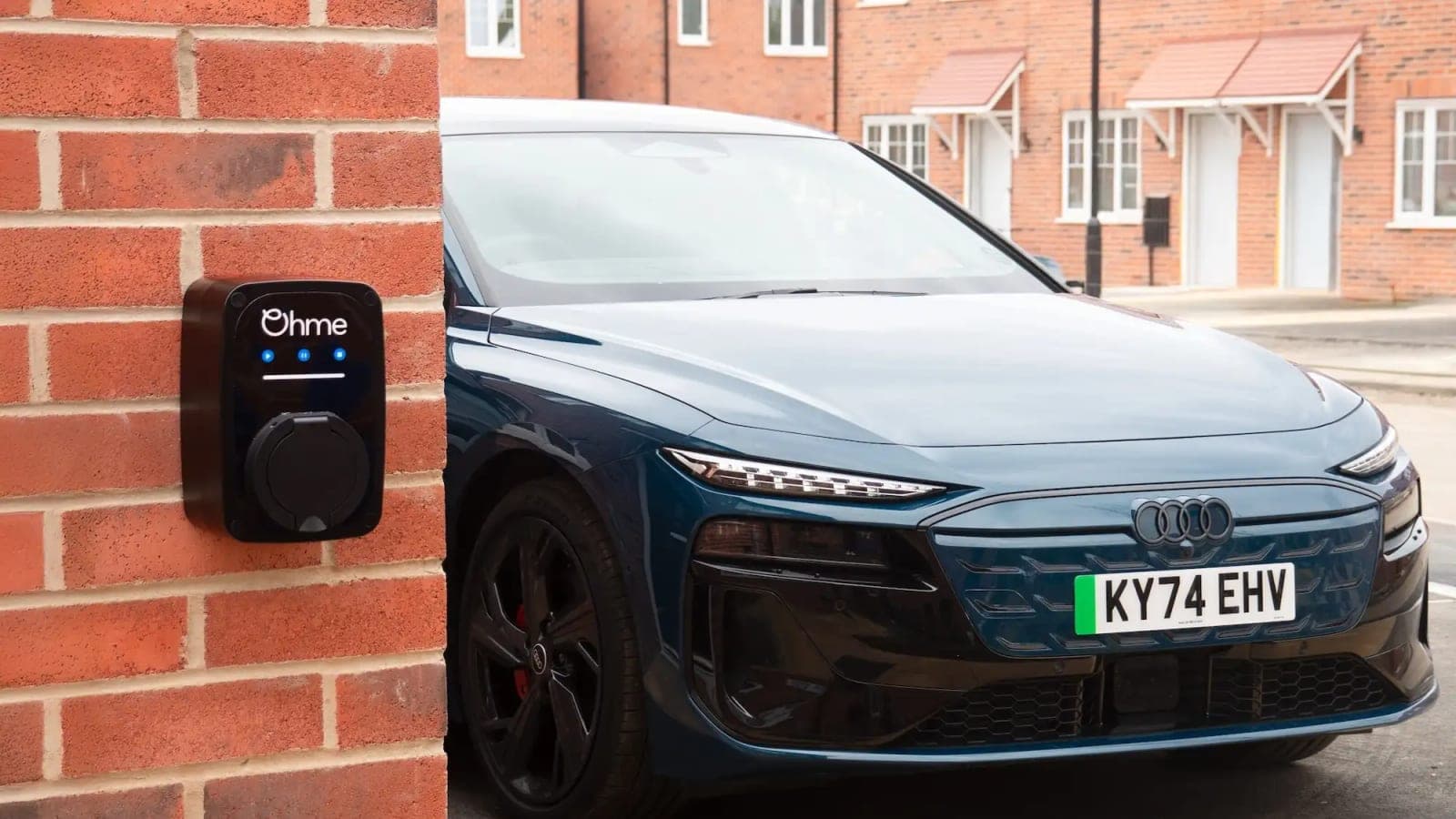
A tethered charger has the cable built in. It hangs on a holster on the unit and you plug the loose end into the car. Nothing to fetch, nothing to put away wet.
An untethered charger has a Type 2 socket in the face of the unit instead. You plug one end of your own cable into the wall and the other into the car, then coil it back into the boot when you leave.
That is the whole difference. Both are wired the same way, both need the same protective devices, and both take the same time to charge the same car.
Which is the best untethered EV charger UK homes can have?
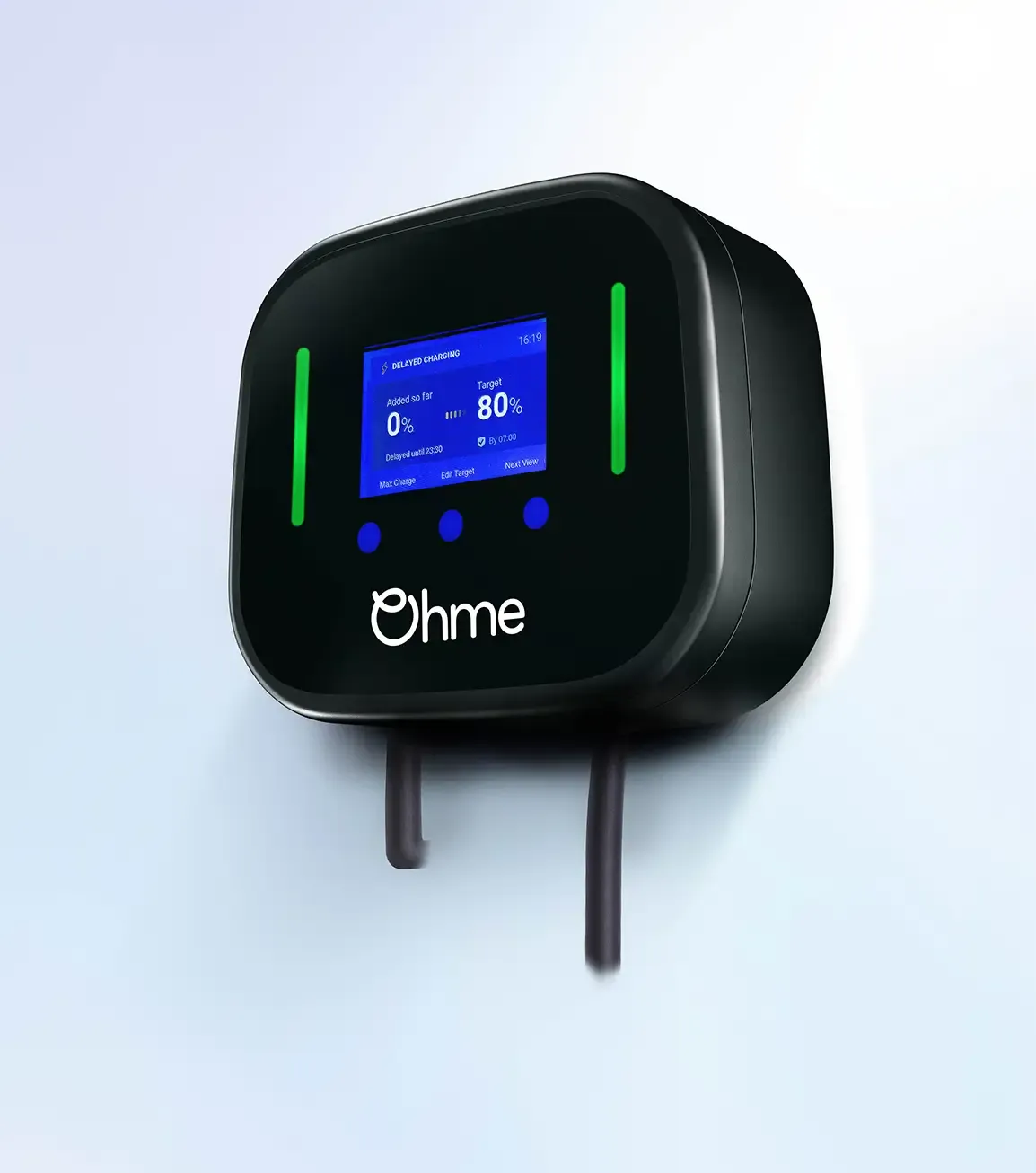
For most people, the Ohme ePod. It is the same charger as the Ohme Home Pro without the screen and the fixed cable, so you keep the tariff integration that makes an EV cheap to run. It is 7.4 kW, it connects over its own 4G SIM rather than your Wi-Fi, and it is an official Intelligent Octopus Go partner.
The Easee One is the one to pick if the socket needs locking. It has a lockable port, built-in RCD and surge protection in the unit, and 4G as well as Wi-Fi. That combination makes it the usual answer for a landlord or a block of flats. Its Octopus integration is disputed, so check the Octopus device list before you commit if you are set on that tariff.
The socket Zappi is the choice if you have solar. It does true surplus diversion rather than a simple boost, and Eco mode will keep charging at 1.4 kW from the grid when the sun drops out. Nothing else in our range handles spare generation as well.
The socket Indra Smart PRO is British-made, includes surge protection in the box and sits at the lower end of our range. It runs on Wi-Fi and Bluetooth with no 4G, so the garage needs a signal.
Why we fit more tethered than untethered
Because of what happens in January.
A fixed cable lives on the wall. You walk out, plug in, walk back. An untethered install means opening the boot, lifting out a cable that has been sat in road salt, uncoiling it in the dark, then reversing all of that in the rain. People do it for a fortnight and then leave the cable plugged into the wall permanently, which is exactly what they said they would not do.
The second reason is the boot. A 5 m Type 2 cable in a bag takes real space, and it is space you lose on the week you actually need it.
If your car lives on your own drive and it is the only car that charges there, fit tethered and stop thinking about it.
When untethered is the right call
Four situations, and in all of them it is not close.
A flat or a shared car park, where a hanging cable invites somebody to have a pull at it. A rental, where the tenant brings their own car and their own cable. A household with two cars sharing one charger, where a fixed cable reaches one parking spot and not the other. And a tight space where the car is parked nose in one week and reversed in the next, because a fixed cable only reaches one side of the car.
There is a fifth, quieter one. If you expect to change cars and have any doubt about the connector, a socket keeps your options open. In practice every electric car and plug-in hybrid sold new in the UK uses Type 2, so this matters less than it did.
Does the socket cost you anything in speed?
No. A 7.4 kW charger delivers 7.4 kW through a socket or through a fixed cable.
What does cost you speed is the cable itself if you buy a cheap one. A 32 A cable is what you want for a 7.4 kW charger. A 16 A cable, which is often what came in the boot with a used car, will hold the charge at half the rate whatever the wall box is rated at. That is the single most common reason someone rings us to say the new charger is slow.
Buy one good 32 A cable at 5 m. Do not buy three cheap ones.
What about theft and the weather?
Cable theft is real and it is mostly about the copper in public chargers, not domestic ones. A home socket sat on a private drive is a low target.
If it still bothers you, the lockable socket on the Easee One is the straightforward answer. On other untethered units the cable locks into the car end while charging, which stops anyone walking off with it mid-session but not overnight.
On weather, the socket has a flap and the units are rated for outdoor use. The one thing worth doing is fitting the charger where the prevailing wind will not drive rain straight into an open socket while you are plugging in. That is a five-minute decision at the survey and it is free.
The honest verdict
Own drive, one car, keep it simple: tethered, every time. The convenience compounds daily and the extra cost is small.
Flat, rental, shared parking, two cars or an awkward space: untethered, and take the ePod unless you have solar or need the lock. With solar, take the Zappi.
I have never had anyone with a fixed cable on their own drive ask to swap it for a socket. I have had several go the other way.
Look at where the car actually parks, and whether anyone else ever charges there. Those two answers make the decision for you, and neither of them is about the charger.
The EV charger grant rules covers whether you can claim anything towards it. To get a figure for your own wall, Get a quote with your postcode, or ring 01709 278248.
Want the number for your roof?
We come and look, then give you a figure. We will come straight back to you to arrange a time.
About Joe Sales
Joe Sales runs Newpower Advanced Ltd from Rotherham and reads and signs off every guide on this site. More about Joe Sales · Meet the team · More ev chargers guides
Our guides are written by the people who do the installs and checked against our own job records. How we write