Guides · Air Source Heat Pumps · Updated · 6 min read
Electricity VAT cut from October 2026: what it changes
The electricity VAT cut from October 2026 takes the tax off domestic power to 31 March 2027. What it means for heat pump costs and solar payback.
Air source heat pumpsAir source heat pump installation
Joe Sales, who runs Newpower Advanced Ltd
Director, Newpower Advanced Ltd · MCS NAP-75287 · Reviewed by Joe Sales
Want the number for your roof?
We come and look, then give you a figure. We will come straight back to you to arrange a time.
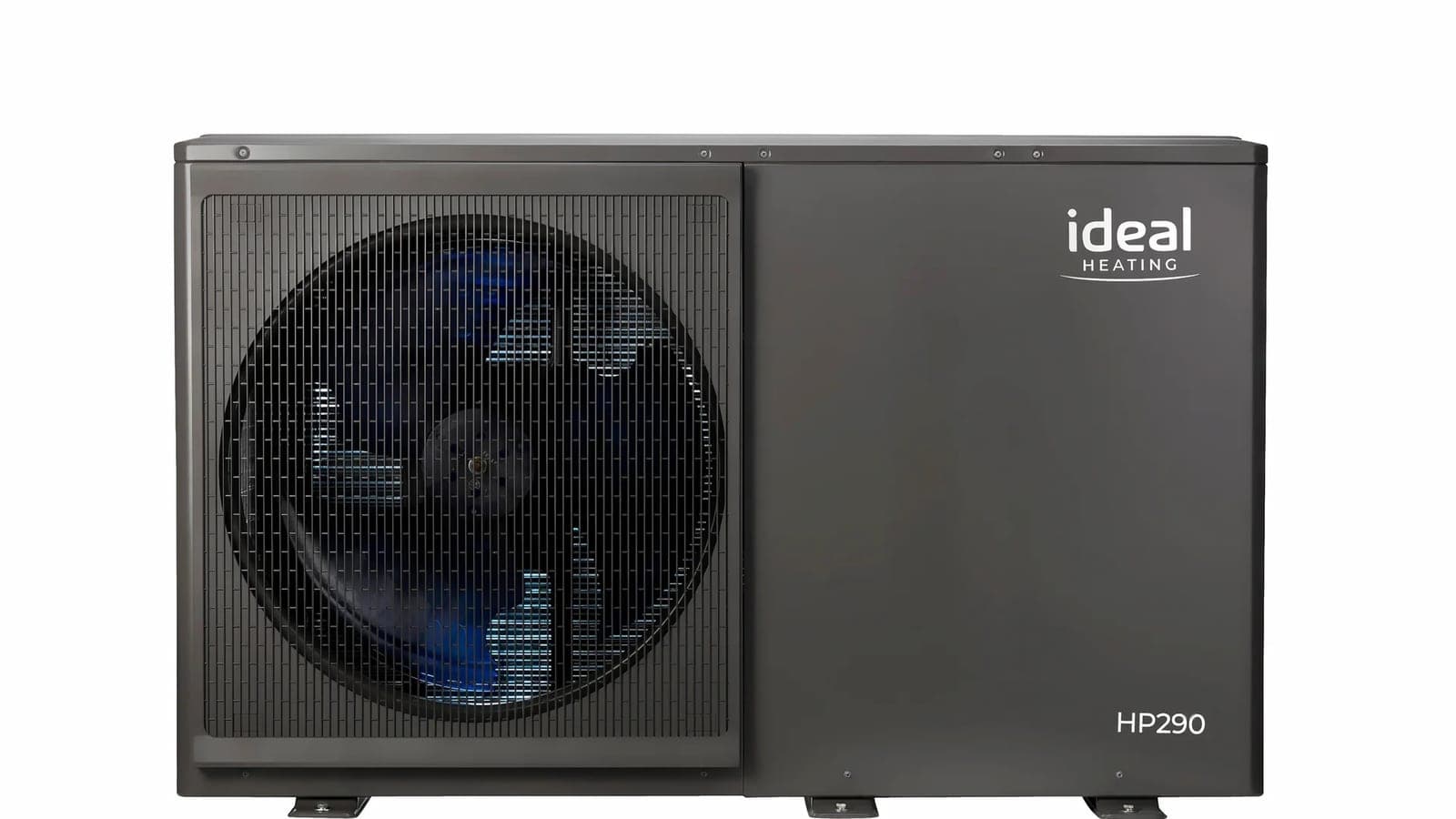
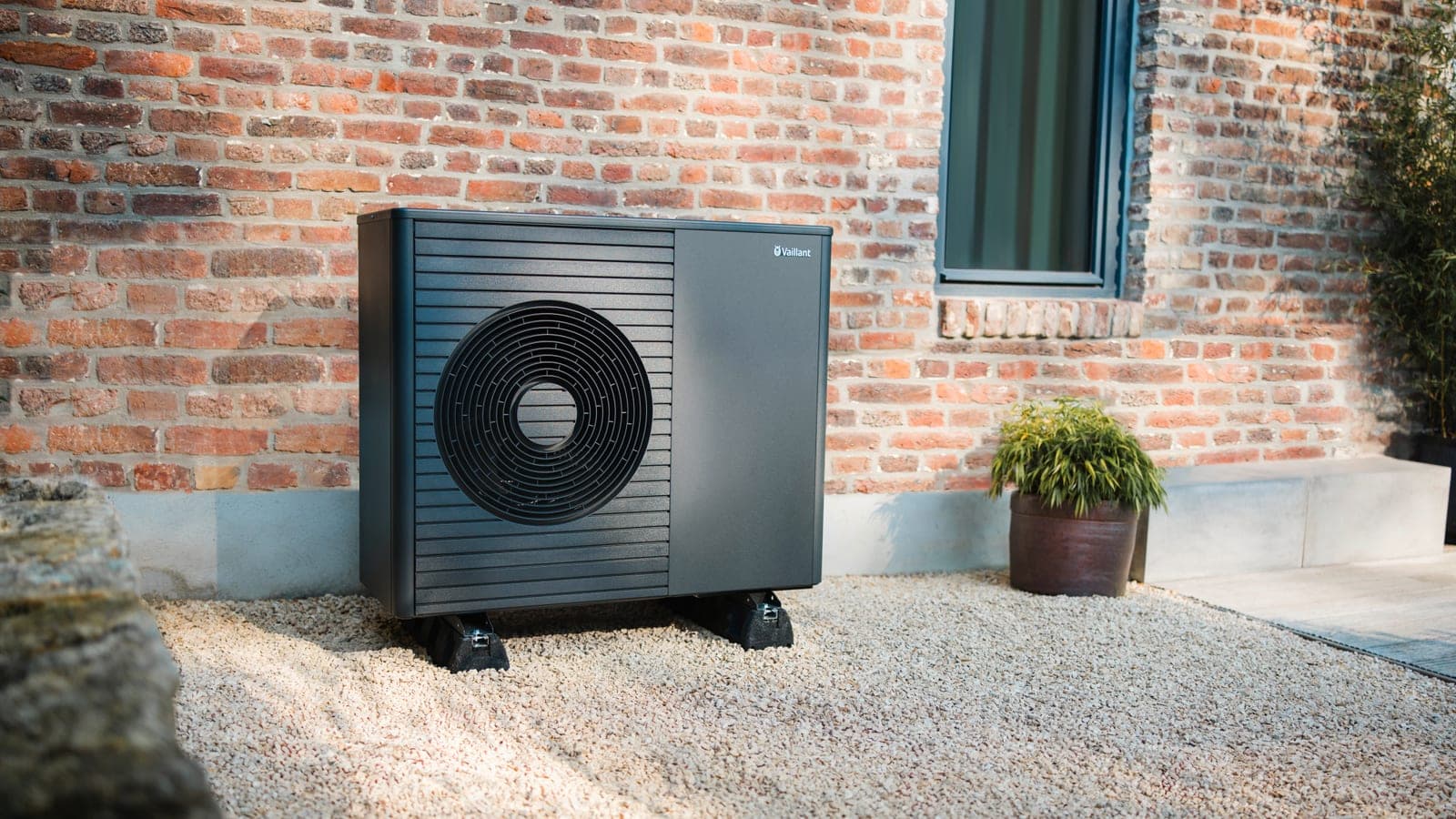
The electricity VAT cut from October 2026 takes the tax off domestic electricity in Great Britain from 1 October 2026 until 31 March 2027 (gov.uk). Gas is not included and keeps the rate it had. Government puts the average saving at around £45 a year. For anyone heating a house with electricity, which is what a heat pump does, it is the first move in years that goes the right way. The units we fit and how a job runs are on the air source heat pumps page.
It landed alongside the October price cap, so the two need reading together. Here is what each one does, and what it is worth at a typical house.
The numbers behind it
- VAT on electricity bills in Great Britain goes to zero from 1 October 2026 to 31 March 2027 (gov.uk).
- Taking a 5 per cent tax off a bill removes about 4.8 per cent of the total, because the tax sits on top of the pre-tax price.
- Gas keeps the rate it had. Northern Ireland is unchanged and has separate funding.
- Ofgem's price cap for 1 October to 31 December 2026 is around £1,723 a year for a typical home using both fuels, up about 4% from around £1,663 (Ofgem, 26 August 2026).
- Ofgem says that without the VAT change the cap figure would have been around £45 higher.
- The cap only covers default tariffs. Around a third of households are on fixed deals and see nothing from the cap change.
- Nothing here changes the £7,500 Boiler Upgrade Scheme grant or the zero rate on renewable installs.
What the electricity VAT cut from October 2026 actually is
A temporary zero rate, set out by government in August 2026 and running for six months.
Domestic electricity in Great Britain has carried VAT at the reduced rate of 5 per cent. From 1 October that goes to zero, and it returns on 1 April 2027 unless something changes before then. Small businesses, charities and care homes are included on the same basis.
You do not have to claim it. Suppliers apply it to the bill, so the line simply drops off.
The arithmetic catches people out slightly. Removing a 5 per cent tax does not take 5 per cent off the bill, it takes about 4.8 per cent, because the tax was calculated on top of the pre-tax price rather than being a share of the total.
What happens to the price cap at the same time
Ofgem announced on 26 August 2026 that the cap rises 4% from 1 October.
For a typical household using electricity and gas on a default tariff, that is around £1,723 a year if the level held for twelve months, up from around £1,663. The rise is around £60 a year.
Those two announcements pull in opposite directions, and the cap figure already has the VAT change inside it. Ofgem's own line is that without the tax coming off, the figure would have been around £45 higher. So the underlying cost of supplying energy went up more than the headline suggests, and the tax cut absorbed part of it.
If you are on a fixed tariff, the cap does not apply to you. The VAT change does.
What it does to heat pump running costs vs gas
It narrows the gap, by a bit under five per cent on the electricity side.
The thing that decides whether a heat pump is cheaper to run than a gas boiler is the ratio between the price of a unit of electricity and the price of a unit of gas, set against how efficiently the heat pump turns one into heat. A well-designed system delivers around three units of heat for every unit of electricity it draws, which is what a seasonal performance factor of three means.
Gas is not in this VAT change. Electricity is. So the ratio moves in the heat pump's favour by roughly the amount the tax came off, and it stays there until the end of March.
Do not read too much into that on its own. A five per cent move is not what decides a heat pump job. What decides it is the design: the flow temperature, whether the radiators are big enough to run at it, and whether the weather compensation is set up properly rather than left on the factory curve. A badly designed system on cheap electricity still costs more to run than a good one.
The bigger lever is the tariff. A heat pump on a dedicated heat pump tariff pays a much lower rate for a chunk of the day, and that is worth several times what this tax change is worth. Smart energy tariffs covers which ones exist and what they need.
What it does to solar and battery payback
It works against you slightly, and it is honest to say so.
Solar pays back by displacing electricity you would otherwise buy. Make that electricity cheaper and each unit you generate saves you a little less. On a bill falling by under five per cent the effect on payback is small, measured in months rather than years, and the cap rise pushes back the other way.
Export is unaffected. What a supplier pays you under the Smart Export Guarantee is set by that supplier, not by the tax on your import bill.
Batteries that charge on a cheap overnight rate and discharge at peak see the same small compression: both ends of the spread move down together, so the gap you are arbitraging narrows a touch.
None of this changes whether solar is worth doing. Are solar panels worth it goes through what actually decides that.
Two dates that now land on the same day
31 March 2027 is worth putting in the diary.
That is the day the temporary zero rate on electricity is due to end. It is also the day the zero rate of VAT on solar, battery storage and heat pump installations ends, after which those installs are due to go back to the reduced rate. And it is the last day of the supplement that takes the Boiler Upgrade Scheme to £9,000 for homes off the gas grid running on oil or LPG.
Three unrelated deadlines on one date. If you are weighing up an install and the timing is flexible, that is the constraint to plan around, because an install booked in the spring is a different price from the same install booked in the autumn.
What I would actually do about it
Nothing, on its own. A six-month tax change is not a reason to buy anything.
What I would do is use the next six months to sort the two things that are worth far more than five per cent: get on the right tariff for how your house actually uses power, and if you already have a heat pump, get somebody to check the weather compensation curve. I have seen more money wasted by a factory-default control setting than by any tax rate.
If you are replacing a boiler anyway, the grant and the install VAT position both favour doing it before the end of March rather than after.
Worth doing before April
Check which tariff you are on, because that decides which of these two announcements touches you. A fixed deal is outside the cap. The tax change reaches everybody in Great Britain.
Heat pump cost after the grant covers the money side of a job, and is my house suitable covers whether yours is a candidate. For a figure on your own house, Get a quote with your postcode, or ring 01709 278248.
Want the number for your roof?
We come and look, then give you a figure. We will come straight back to you to arrange a time.
About Joe Sales
Joe Sales runs Newpower Advanced Ltd from Rotherham and reads and signs off every guide on this site. More about Joe Sales · Meet the team · More air source heat pumps guides
Our guides are written by the people who do the installs and checked against our own job records. How we write