

Solar panels, batteries and heat pumps in Wakefield
MCS-certified solar, batteries, heat pumps and EV chargers across Wakefield, Ossett, Horbury, Normanton and Hemsworth.
4.7 on Trustpilot

 No obligation
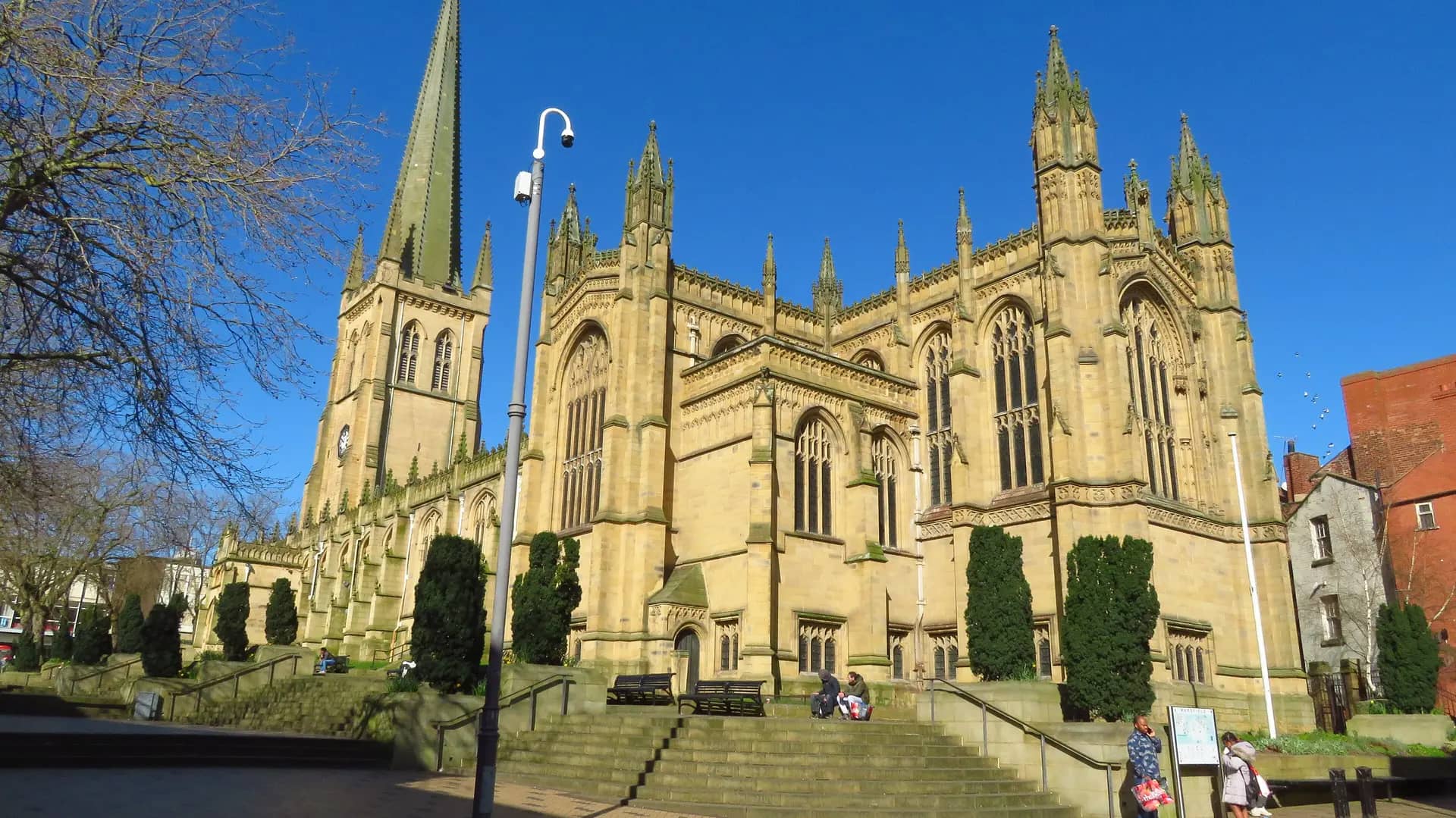
Photo: Colin Park, CC BY-SA 2.0, adapted, via Wikimedia Commons
Solar panel installers for Wakefield.
Wakefield is semi country: 44.6% of its homes are semi-detached, a bigger share than any other West Yorkshire district, and more than four in five are on mains gas. A semi with a south or west-facing slope is an ideal solar roof, and a heat pump is the next step when the boiler is due. In the flats and terraces around the city centre the answer is more often a battery, and in the villages to the south a few homes still burn oil.
Every install is MCS certified (NAP-75287), with 0% VAT on solar, batteries and heat pumps until March 2027 and the £7,500 Boiler Upgrade Scheme grant claimed for you.
- Postcode districts
- WF1 for the city centre, Eastmoor and Outwood, WF2 the west and south from Lupset, Alverthorpe and Wrenthorpe to Sandal and Walton, WF3 Stanley, Lofthouse and East Ardsley, WF4 Horbury, Crigglestone, Netherton, Crofton and Ryhill, WF5 Ossett, WF6 Normanton and Altofts, WF7 Featherstone and Ackworth, and WF9 Hemsworth, South Elmsall and South Kirkby
- Network operator (DNO)
- Northern Powergrid (Yorkshire). We make the G98 notification or G99 application for your solar or battery; you do not need to contact them.
- Council
- Wakefield Council
Wakefield in numbers.
What the public data says about homes here, and what it means for yours.
956 kWh
a year from each kW of panels
A south-facing roof at 35° in central Wakefield, after losses. An east or west roof gives about a fifth less over the year, and a battery makes better use of what it does produce by moving the daytime surplus into the evening.
Source: PVGIS (European Commission Joint Research Centre), central Wakefield
44.6%
of Wakefield homes are semis
Against 31.5% across England, and more than half the homes in Wakefield West, Hemsworth, Knottingley and Crofton, Ryhill and Walton wards. A semi usually has one clear slope for panels and a garden with room for a heat pump.
Source: Census 2021, TS044 accommodation type (ONS, via Nomis)
81.7%
of homes heat with mains gas alone
Against 74% across England. With most homes on gas, the usual order is solar and a battery now and a heat pump when the boiler is due, with the £7,500 Boiler Upgrade Scheme grant off the price.
Source: Census 2021, TS046 central heating (ONS, via Nomis)
17.3%
of homes in Wakefield North ward run on electricity alone
And 13.7% in Wakefield East, against 5.2% across the district, mostly in flats near the city centre. Those homes gain the most from a battery charged on a cheap overnight tariff.
Source: Census 2021, TS046 central heating (ONS, via Nomis)
What would this mean for your Wakefield home?
We come out, look at the roof, the loft and the meter, and tell you what is worth doing. No obligation.
Near Wakefield.
We cover Wakefield and everywhere around it. A few of the places nearby, and what tends to matter there.
Ossett
WF5 · Wakefield Council
A former mill town with its town hall on the Market Place, and a conservation area in two parts whose boundary the council revised in 2026. Ossett ward is 42% semis and 23% detached, and 83% of homes are on mains gas: good roofs for panels and a battery, with a heat pump to follow.
Horbury
WF4 · Wakefield Council
The birthplace of the Georgian architect John Carr, who designed and paid for the church of St Peter and St Leonard here. The centre is a conservation area, revised in 2026, and Horbury and South Ossett ward has 86% of homes on mains gas, among the highest in the district, with a quarter of them detached.
Normanton
WF6 · Wakefield Council
A railway junction town with its own conservation area. Normanton ward is 30% terraced and 41% semis, and nearly a quarter of households have no car, so a battery on a smart tariff often comes before an EV charger here.
Hemsworth
WF9 · Wakefield Council
A former colliery town beside Hemsworth Water Park, with no conservation area on the council's list, so roof solar, batteries and heat pumps are permitted development on most of its houses. More than half the homes in Hemsworth ward are semis.
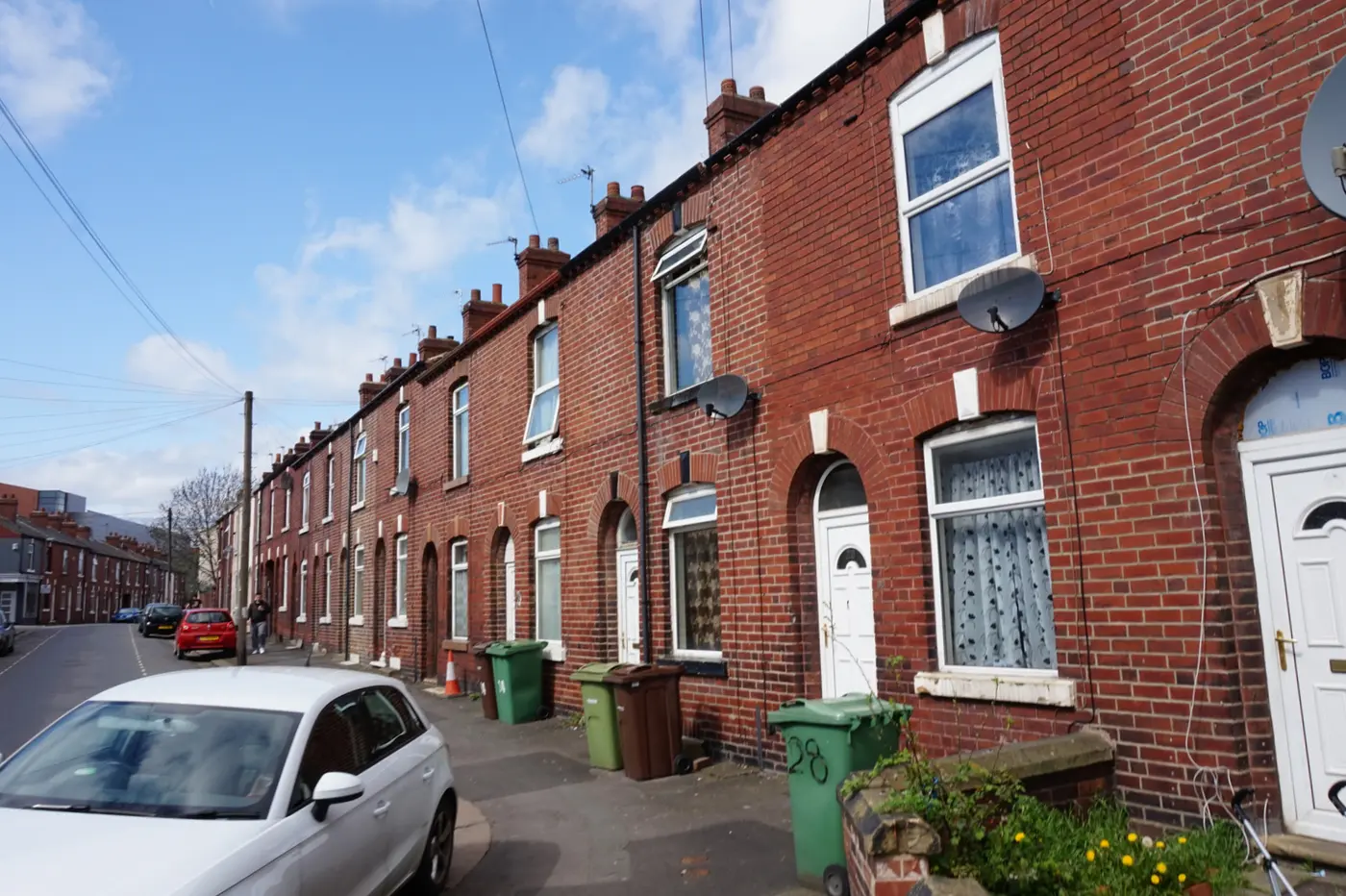
Photo: Ian S, CC BY-SA 2.0, adapted, via Wikimedia Commons
Wakefield homes, and what suits them
Around the city centre the housing is older and tighter: Victorian terraces in Agbrigg and Belle Vue, Georgian houses in St John's, and flats, which are 29% of homes in Wakefield East ward. Terraces usually take one slope of eight to ten panels with the battery under the stairs, and the flats heated by electricity are where a battery and an overnight tariff save most. Wakefield West, around Lupset, is 57% semis on simple gable roofs, the easiest houses in the city to fit.
South of the city the houses get bigger: Wakefield Rural ward, which takes in Newmillerdam, Crigglestone and the villages towards Woolley, is a third detached, and Ackworth, North Elmsall and Upton nearly 35%. Those two wards also have the district's highest share of oil and bottled gas, between 2.5% and 3%, and a home coming off either gets the higher £9,000 grant for a heat pump. Further east, the former pit villages around South Elmsall and South Kirkby are half semis, with gardens wide enough to site a heat pump well away from the neighbours.
Planning and conservation areas
Wakefield Council has 31 conservation areas, including Wakefield Cathedral, St John's, Upper and Lower Westgate, Sandal Castle, Newmillerdam and Heath, and Ossett, Horbury and Normanton in the towns. In a conservation area, roof panels are normally still permitted development as long as they are sited to keep their effect on the street to a minimum, but panels on a wall facing the road, and a heat pump on a wall or roof facing the road, need planning permission. Listed buildings need listed building consent.
Heath, St John's and Whitwood also have Article 4 directions, which remove some permitted development rights from the houses they cover; the council publishes a list of the properties affected, and we check your address against it before we design. Outside conservation areas and listed buildings, roof solar, batteries and air source heat pumps are permitted development on most houses in the district, and we make any application for you if one is needed.
Not sure what your house needs?
Tell us your postcode and what you are thinking about. We will come straight back to you to arrange a visit.
What we fit in Wakefield.
Solar panels
Solar and battery starting at £6,995 installed. 0% VAT until March 2027.
Battery storage
Sized to how you actually use power, not to fill a wall. 0% VAT until March 2027.
Air source heat pumps
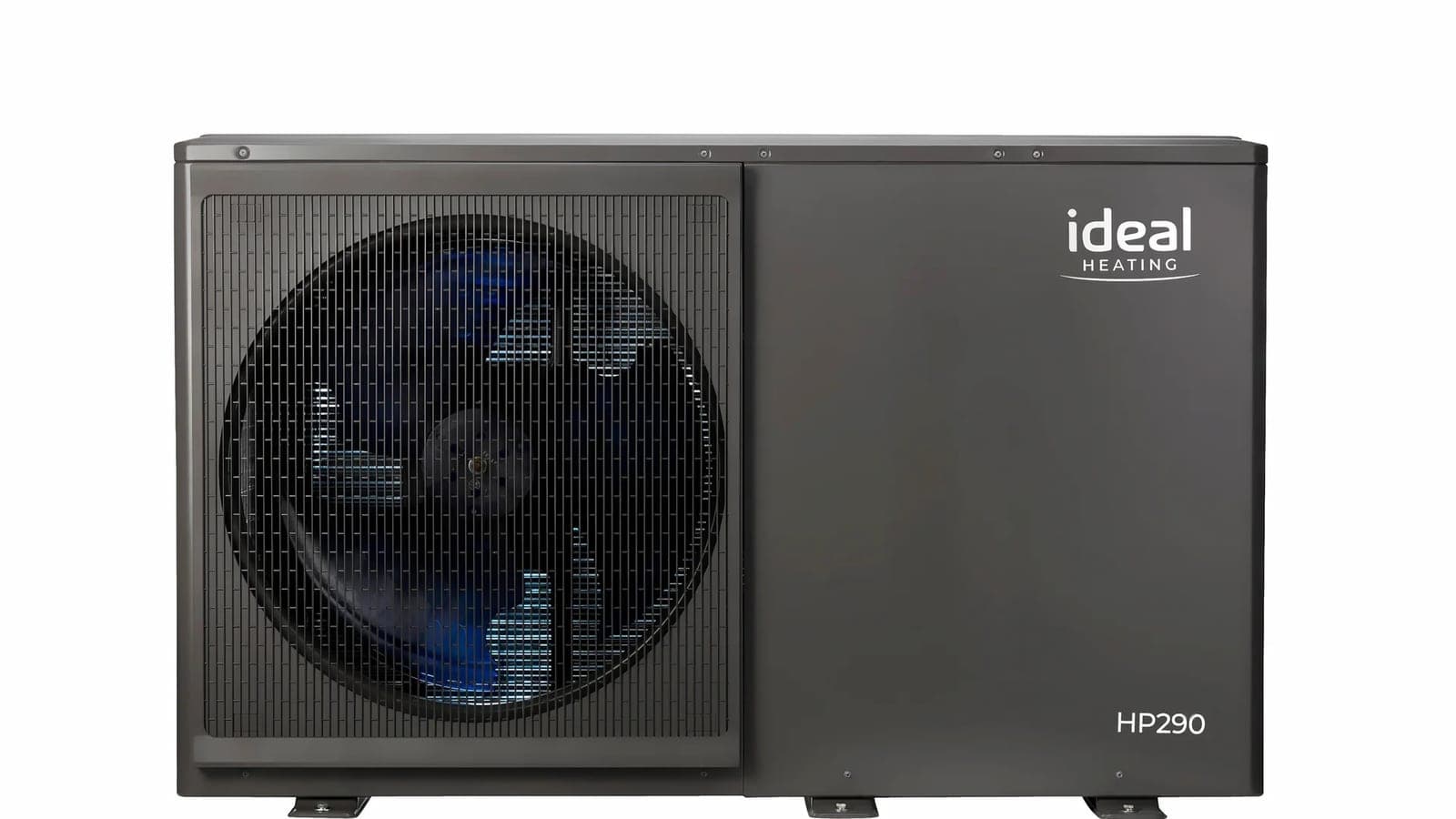
£7,500 or £9,000 off under the Boiler Upgrade Scheme, claimed for you. 0% VAT until March 2027.
EV chargers
Fixed prices from £1,195 fitted, VAT included. Pick your charger, pay online, and we fit it.
Air conditioning
Priced per room. 0% VAT on a fixed system in your home until March 2027.
Commercial
Solar, batteries and air conditioning for Wakefield businesses, schools and farms.
Questions from Wakefield.
Who do you need permission from to connect solar in Wakefield?
Northern Powergrid runs the network across Wakefield, Ossett, Horbury, Normanton and Hemsworth. A typical home system is notified to them after the install under G98; a bigger inverter or a large battery needs a G99 application first, which can take several weeks. We make the application and deal with them; you do not need to contact them yourself.
I live in St John's or Heath. Can I still have solar panels?
Usually yes, but both are conservation areas with Article 4 directions, which remove some permitted development rights from the houses listed in them. We check your address against the council's list of properties affected before we design, and if consent is needed we prepare and submit the application for you.
Is a heat pump worth it if I am on mains gas?
It can be, especially with solar and a battery alongside it and the right tariff. Four in five Wakefield homes heat with gas, and the £7,500 Boiler Upgrade Scheme grant comes off the price up front; a home on oil or bottled gas gets £9,000. We size it from a room-by-room heat loss survey, not from the size of your current boiler.
My flat has electric heating. What helps most?
Usually a battery charged on a cheap overnight tariff, with panels if you have a roof of your own. In Wakefield North ward one home in six is heated by electricity alone, and moving that use into the cheap hours is the biggest saving available to them.
Do you cover the whole Wakefield district?
Yes: the city and every town and village around it, including Stanley, Outwood, Crigglestone, Crofton, Featherstone, Ackworth, Knottingley, South Elmsall and South Kirkby. We fit anywhere in the country, so if your postcode is just outside, put it in anyway.
Rated 4.7 on Trustpilot
Tell us about your Wakefield home.
We will come and look, talk you through what would actually work and give you a figure. No obligation.