

Solar panels, batteries and heat pumps in Derby
MCS-certified solar, batteries, heat pumps and EV chargers across Derby, from the city's suburbs to Belper and Castle Donington.
4.7 on Trustpilot

 No obligation
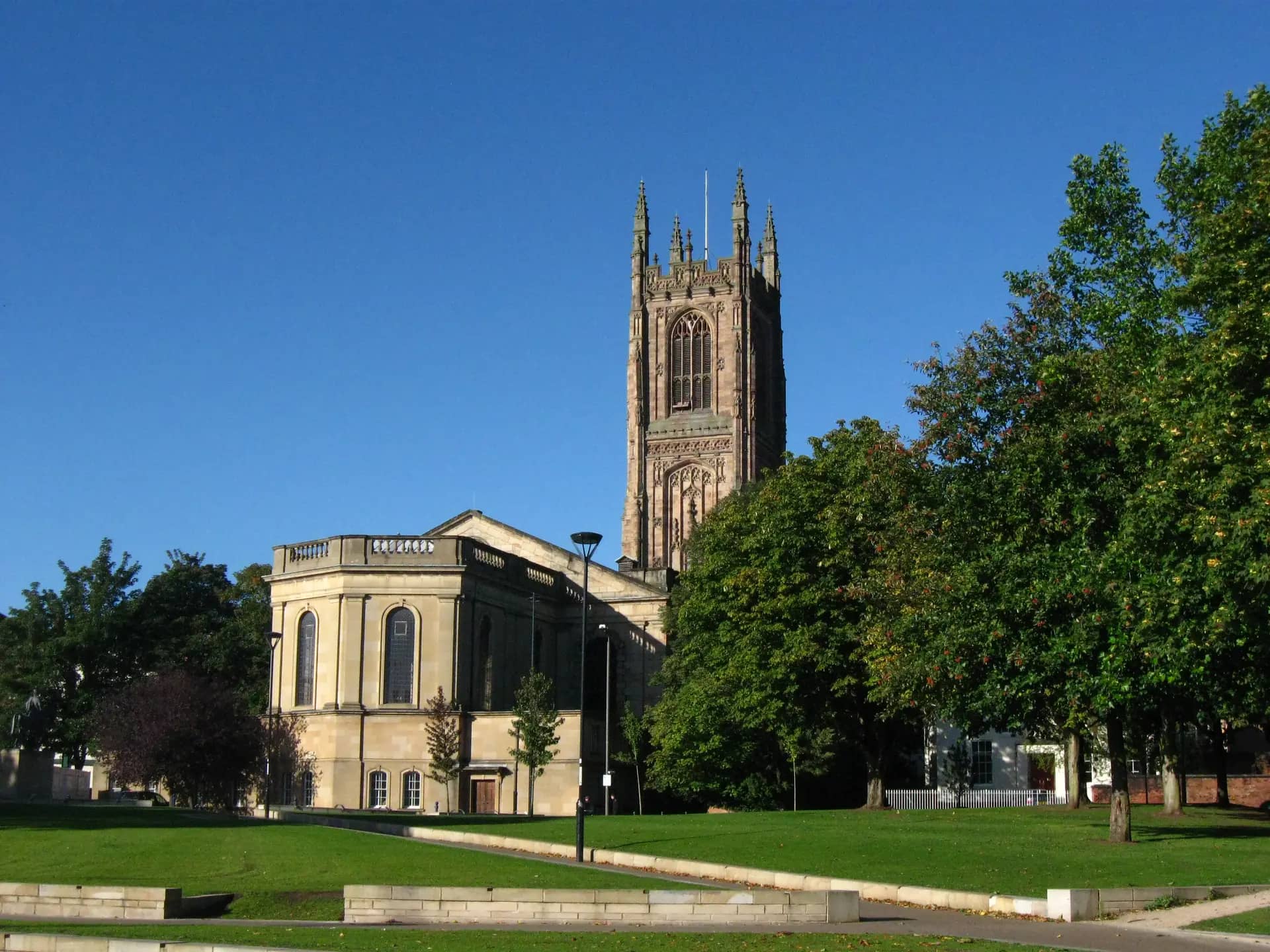
Photo: Nick Moyes, CC BY-SA 3.0, adapted, via Wikimedia Commons
Solar panel installers for Derby.
Derby is a city of semis: 39% of its homes, against 31% across England, with Victorian terraces close to the centre and big interwar and post-war suburbs around them. Four homes in five heat with mains gas alone and almost none burn oil, so the usual conversation is solar and a battery now and a heat pump when the boiler is due. North of the city, the Derwent Valley Mills World Heritage Site runs up the river from the Silk Mill in the city centre through Darley Abbey to Belper, and that brings its own planning rules, which this page covers along with the figures for each suburb.
Every install is MCS certified (NAP-75287), with 0% VAT on solar, batteries and heat pumps until March 2027 and the £7,500 Boiler Upgrade Scheme grant claimed for you.
- Postcode districts
- DE1 for the centre, DE3 for Mickleover, DE21 for Chaddesden, Oakwood and Spondon, DE22 for Allestree, Darley Abbey and Mackworth, DE23 for Littleover, Normanton and Pear Tree, DE24 for Alvaston, Sinfin and Allenton and DE73 for Chellaston, plus DE72 for Borrowash and Ockbrook, DE74 for Castle Donington and DE56 for Belper
- Network operator (DNO)
- National Grid Electricity Distribution (East Midlands). We make the G98 notification or G99 application for your solar or battery; you do not need to contact them.
Solar, batteries, heat pumps and more in Derby.
Solar panels
Solar and battery starting at £6,995 installed. 0% VAT until March 2027.
Battery storage
Sized to how you actually use power, not to fill a wall. 0% VAT until March 2027.
Air source heat pumps
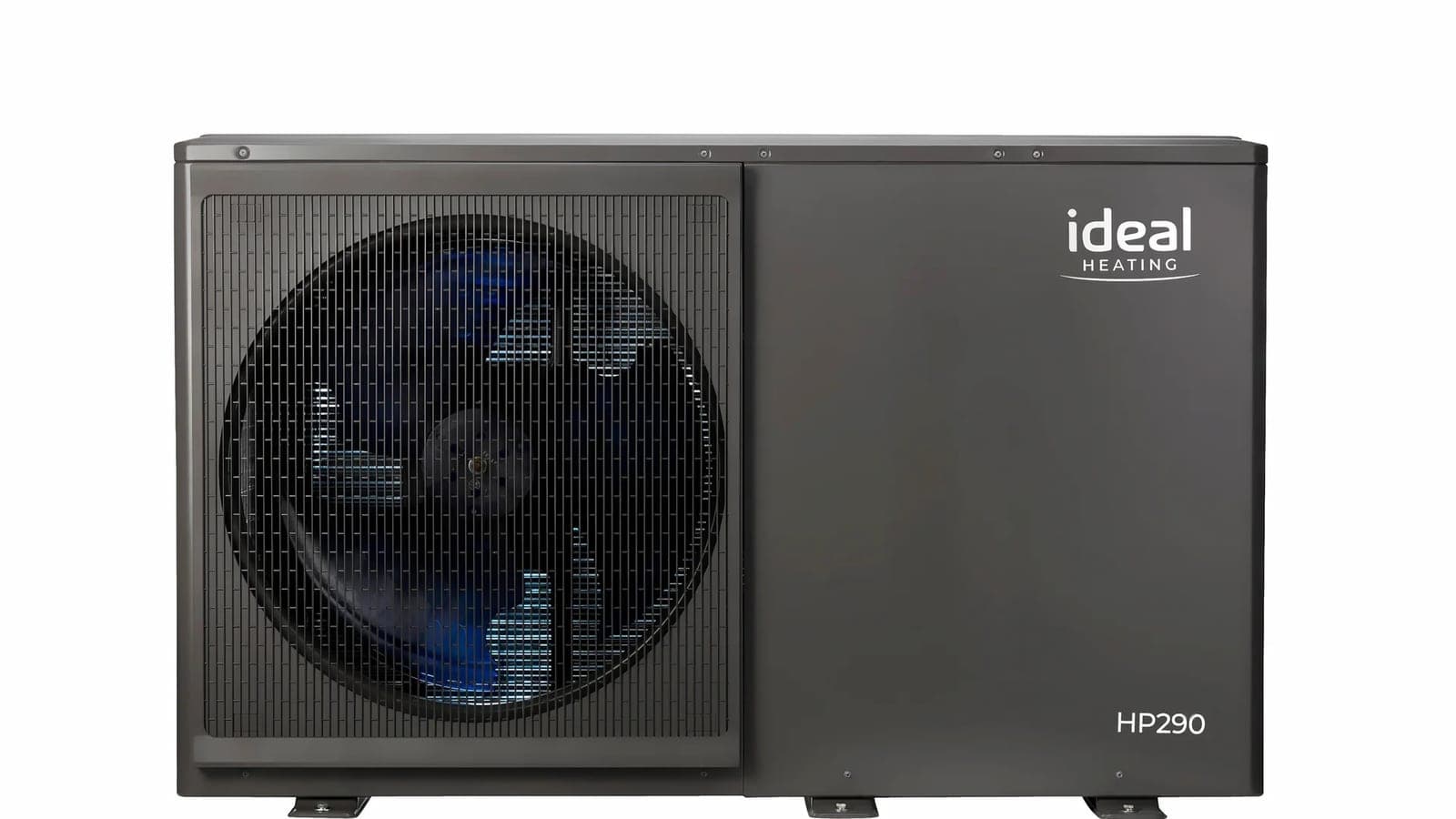
£7,500 or £9,000 off under the Boiler Upgrade Scheme, claimed for you. 0% VAT until March 2027.
EV chargers
Fixed prices from £1,195 fitted, VAT included. Pick your charger, pay online, and we fit it.
Air conditioning
Priced per room. 0% VAT on a fixed system in your home until March 2027.
Commercial
Solar, batteries and air conditioning for Derby businesses, schools and farms.
See what fits your house
We come out, look at the roof, the loft and the meter, and tell you what is worth doing. No obligation.
Around Derby.
We cover Derby and everywhere around it. A few of the places nearby, and what tends to matter there.
Mickleover
DE3 · Derby City Council
A large village swallowed by the city's western edge, with a conservation area around its old centre that carries Article 4 directions. Most of Mickleover is outside that boundary: 46% semis and 39% detached houses, simple roofs that take a full array and a battery.
Allestree
DE22 · Derby City Council
The most detached part of the city, 60% of homes, around Allestree Park and its lake. The old village is a conservation area with Article 4 directions, so a road-facing slope there is checked first; the bigger post-war houses beyond it are among the best solar roofs in Derby.
Alvaston
DE24 · Derby City Council
South-east of the centre around Alvaston Park and its boating lake, with a mix of semis (41%) and terraces (29%). Three households in ten have no car, so for many homes here a battery on the right tariff comes before an EV charger.
Chaddesden
DE21 · Derby City Council
One of the most semi-detached parts of Derby: 57% of homes in the Chaddesden ward, and 86% heated by mains gas alone. That is the classic house for panels and a battery now, with room to site a heat pump well away from the neighbours later.
Littleover
DE23 · Derby City Council
Nearly half detached and nearly half two-car households, on the south-west side of the city. There is no conservation area in Littleover, so roof solar, a battery and an air source heat pump are permitted development on most houses, and an EV charger often goes in on the same visit.
Borrowash
DE72 · Erewash Borough Council
Just east of the city in Erewash, beside the Derwent, with Ockbrook's two conservation areas, the village and the Moravian Settlement, on the hill above it. In the Ockbrook and Borrowash ward 88% of homes are detached or semis, and homes on the low ground towards the river get a flood check before the battery is sited.
Castle Donington
DE74 · North West Leicestershire District Council
Over the border in Leicestershire, beside East Midlands Airport and Donington Park. The council split its conservation area in two in 2023, Castle Donington and High Street, and Article 4 directions cover the windows of houses on Apiary Gate and Clapgun Street; nearly half of households here run two or more cars.
Belper
DE56 · Amber Valley Borough Council
Strutt's mill town on the Derwent, at the heart of the World Heritage Site. An Article 4 direction covers every house in the Belper and Milford conservation area, bringing alterations that front a road, footpath, the river or open space under planning control; outside it, in a town that is two-fifths detached, the roofs are simpler.
Nearby towns with their own page: Burton upon Trent.
The local data, and what it means for you.
What the public data says about homes here, and what it means for yours.
980 kWh
a year from each kW of panels
A south-facing roof at 35° in central Derby, after losses. An east or west roof gives about a fifth less over the year, and a battery makes better use of what it does produce by moving the daytime surplus into the evening.
Source: PVGIS (European Commission Joint Research Centre), central Derby
61%
of city homes are semis or terraces
39% semi-detached and 22% terraced, with 12% purpose-built flats. Detached houses make up 24% across the city but 60% in Allestree and nearly half in Littleover and Oakwood, where the bigger roofs take a larger array.
Source: Census 2021, TS044 accommodation type (ONS), Derby and its 2022 wards
81%
of Derby homes heat with mains gas alone
Against 74% across England, and almost no Derby home burns oil. That makes the city solar-and-battery country first; a heat pump is the next step when the gas boiler is due, with the £7,500 Boiler Upgrade Scheme grant off the price.
Source: Census 2021, TS046 central heating (ONS)
47%
of Littleover households run two or more cars
Against 32% across the city and 35% across England, with Allestree and Oakwood close behind at 45%. Two cars on the drive and a roof of panels is the home where a smart EV charger earns its place.
Source: Census 2021, TS045 car or van availability (ONS), Derby and its 2022 wards
Ready for a proper look?
Tell us your postcode and what you are thinking about. We will come straight back to you to arrange a visit.
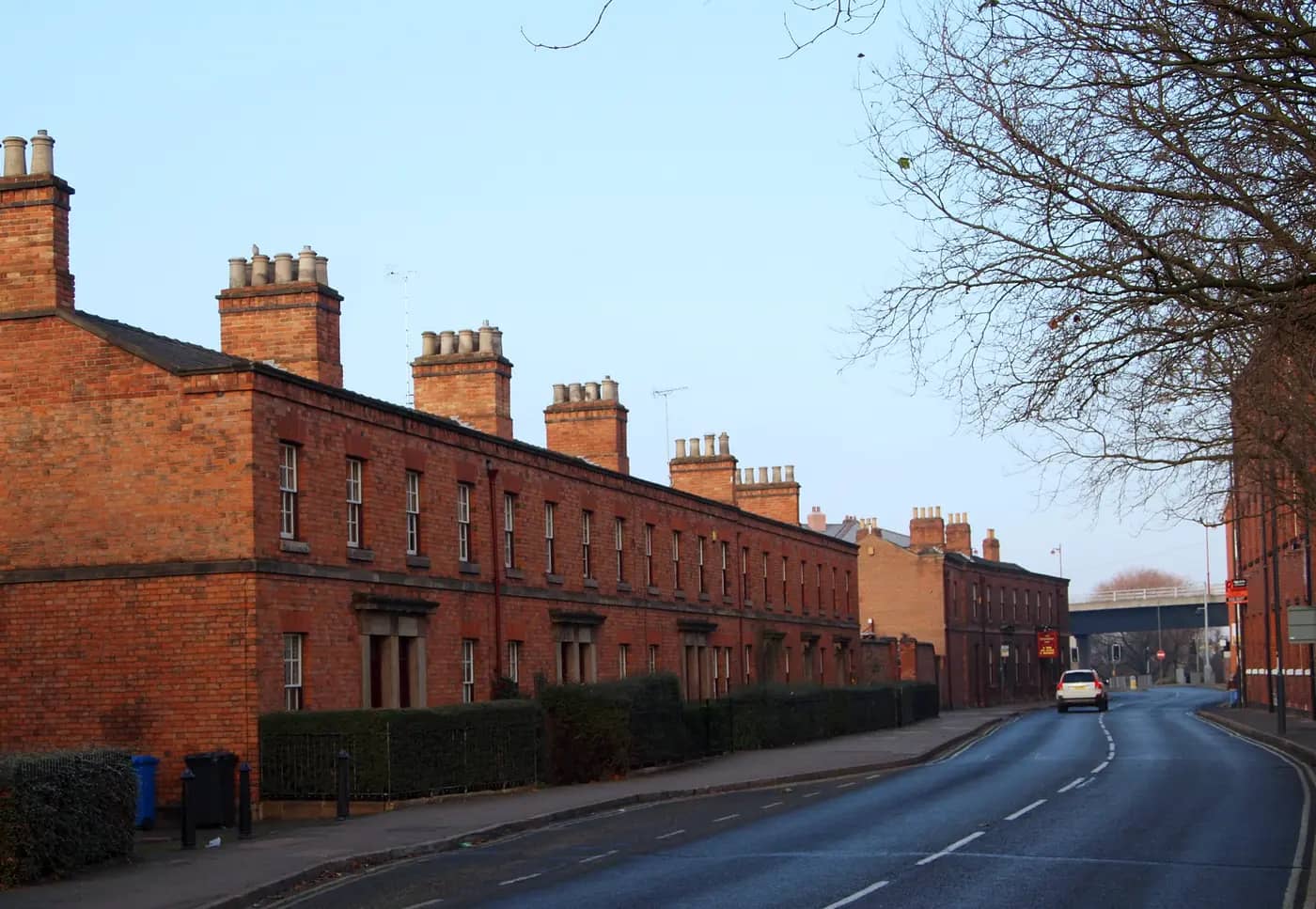
Photo: David Hallam-Jones, CC BY-SA 2.0, adapted, via Wikimedia Commons
Roofs, walls and gardens in Derby
The Victorian terraces of Normanton, Pear Tree, Rose Hill and the Arboretum have long, narrow roofs, often split by a rear outrigger, so one good slope of panels is typical, with the inverter in the loft and a battery under the stairs or in the back kitchen. In the Arboretum ward one home in five is heated by electricity alone and half of households have no car, so a battery on an overnight tariff matters more there than an EV charger.
The interwar and post-war suburbs, Allestree, Littleover, Mickleover, Chaddesden and Spondon, are the city's easiest roofs: plain gables, concrete tiles and a garden with room for a heat pump. Sinfin, Mackworth and Alvaston are more mixed, with terraces and semis side by side, and newer estates such as Oakwood and Chellaston have smaller, simpler roofs and drives, where the gain is in a battery and an EV charger.
The Derwent runs right through the city, past Darley Abbey and the centre and out by Alvaston, so homes near the river get a flood-risk check before we decide where the battery and inverter go. That can mean upstairs or high on a wall rather than in a garage.
Planning and conservation areas
Derby City Council has 16 conservation areas, including the City Centre, Friar Gate, Strutts Park, Little Chester, Darley Abbey, Allestree, Mickleover, Spondon and Markeaton. In ten of them (Allestree, Arboretum, Darley Abbey, Hartington Street, Highfield Cottages, Little Chester, Markeaton, Mickleover, Spondon and Strutts Park) Article 4 directions mean planning permission is needed for changes to doors, windows or roof coverings facing a road, so panels on a road-facing slope of a house the direction covers may need consent; rear slopes are usually fine. Elsewhere in a conservation area, roof panels are normally permitted development, but panels on a wall facing the road and a heat pump on the front of the house need permission.
The Derwent Valley Mills World Heritage Site takes in Darley Abbey and Belper, and on World Heritage Site land the same rule applies as in a conservation area: roof panels are normally permitted development, panels on a wall facing the road are not. In Belper, Amber Valley's Article 4 direction over the whole Belper and Milford conservation area goes further, and Castle Donington has directions on Apiary Gate and Clapgun Street. We check your address at the survey and make the application if one is needed; outside conservation areas and listed buildings, roof solar, batteries and air source heat pumps are permitted development on most houses.
Before you book: Derby questions.
Who do you need permission from to connect solar in Derby?
National Grid Electricity Distribution runs the network across Derby, in its East Midlands area, and that includes Belper, Borrowash and Castle Donington over the Leicestershire border. A typical home system is notified to them after the install under G98; a bigger inverter or a large battery needs a G99 application first, which can take several weeks. We make the application and deal with them for you.
I live in Allestree or Mickleover village. Can I have solar panels?
Usually, yes. Both old village centres are conservation areas with Article 4 directions that bring changes to roof coverings facing the road under planning control, so panels on a front slope of a house the direction covers may need consent. Rear and side slopes are often fine, and most of Allestree and Mickleover is outside the boundary altogether. We check your house against the council's map at the survey and, if consent is needed, prepare and submit the application.
Does the World Heritage Site stop me having solar in Belper?
No, but it changes the details. Roof panels on a house in the World Heritage Site or a conservation area are normally permitted development; panels on a wall facing the road, or a heat pump on the front of the house, need permission. In the Belper and Milford conservation area an Article 4 direction also covers alterations that front a road, footpath, the river or open space, and listed buildings need listed building consent. We check at the survey and make the application if one is needed.
Is a heat pump worth it in a Derby semi on gas?
Often, yes, and the best time is when the boiler is due anyway. The £7,500 Boiler Upgrade Scheme grant comes off the price up front. In a semi the outdoor unit usually goes at the side or back of the house, and the heat loss survey tells us whether any radiators need to be bigger.
Do you cover the rest of Derbyshire?
Yes: Derby and the towns and villages around it, from Belper and Duffield to Borrowash, Chellaston and Castle Donington. Burton upon Trent and Chesterfield have pages of their own. We fit anywhere in the country, so if your postcode is not listed, put it in anyway.
Rated 4.7 on Trustpilot
Tell us about your Derby home.
We will come and look, talk you through what would actually work and give you a figure. No obligation.